Life after8 min read
Life After the League
Nobody tells you the hardest part of retiring is not the money. Identity, health insurance after playing, second careers, athletes who built real businesses, and the conversations worth having before you need them.
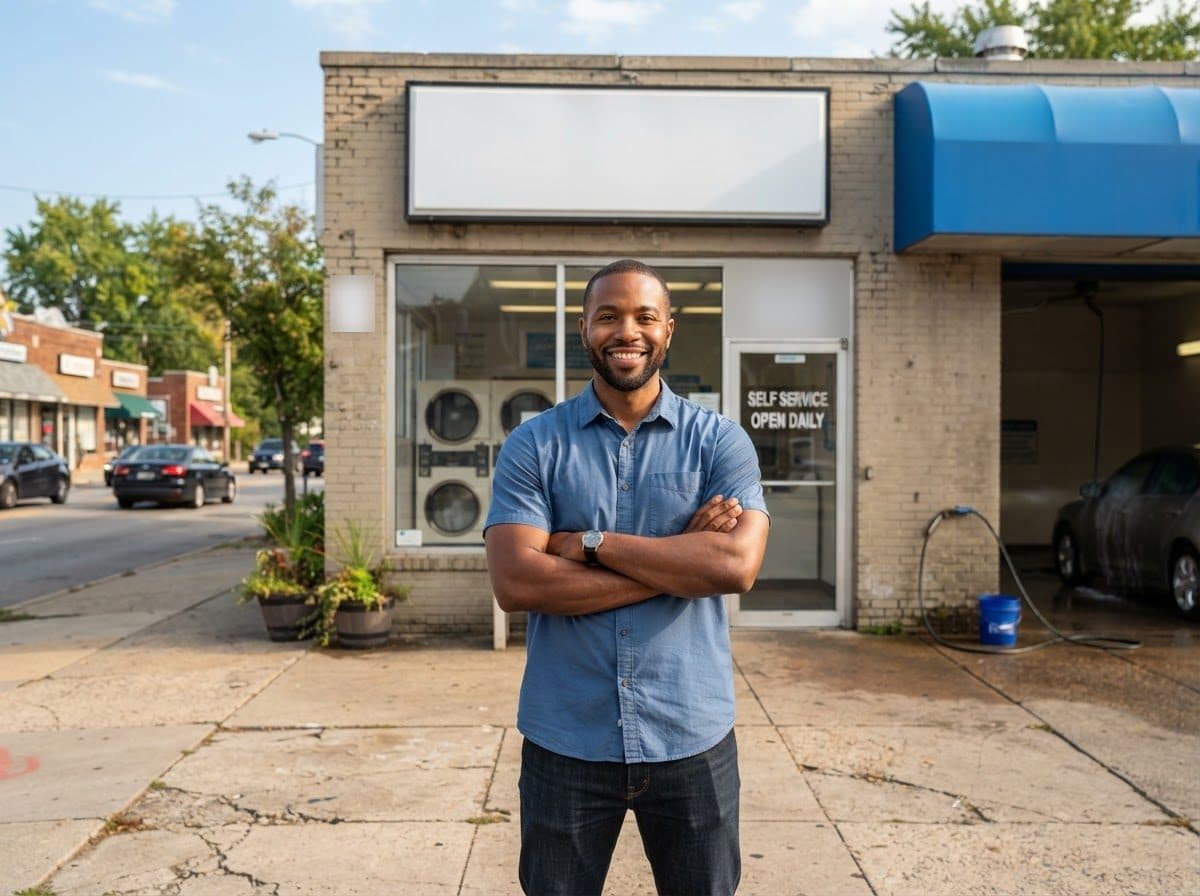
Every athlete retires. Some choose when. Most do not. One day the schedule, the locker room, the trainers, and the paycheck that shaped every day since middle school are gone. Players who handle this well usually started preparing years before it happened. This guide covers the practical side, like health insurance, and the parts people talk about less, like who you are when the game is over.
The identity shift is real
For most of your life, 'athlete' was the first word people used for you. When that ends, it is normal to feel lost, restless, or down, even if the money is fine. Former players often describe missing the structure and the brotherhood more than the games. None of this is weakness. It is a big life change. Talking to a counselor or a former player who has been through it, and keeping a daily routine with training, work, and people, makes a real difference. Both the NFLPA and the NBPA offer programs for former players, including mental health support.
Health insurance after you stop playing
- NFL: Vested players (3 or more credited seasons) are eligible for five years of post-career medical coverage, including dependents. Some vested players can continue in the league's group plan after that. Check with the NFLPA for your exact eligibility.
- NBA: Since 2017, the NBPA has funded health insurance for retired players with at least three years of service, with better coverage at seven and ten years.
- Other leagues: Benefits vary. Ask your players association before your last season ends.
- COBRA: When employer coverage ends, you can usually keep the same plan for up to 18 months by paying the full premium yourself.
- ACA marketplace: Losing coverage opens a special enrollment period, generally 60 days, to buy a plan on HealthCare.gov or your state's exchange.
Start the second career before the first one ends
- 1Use the offseason
Internships, classes, and job shadowing during offseasons build a resume while you still have leverage and name recognition.
- 2Finish the degree
Many schools and players associations have programs to help former players complete degrees.
- 3Use your union's career programs
The NFLPA runs career and education resources, and The Trust offers programs for former NFL players. The NBPA and other unions have their own.
- 4Learn a business before you buy one
Work inside the industry first. The best athlete owners learned operations, not just how to sign checks.
- 5Build relationships now
The team executive, the sponsor, the local business owner. The people you meet while playing are your network later.
Athletes who built something real
Junior Bridgeman never earned more than about $350,000 in an NBA season. During and after his career, he learned the restaurant business from the inside, then grew to own hundreds of Wendy's and Chili's locations, sold most of them in 2016, became a Coca-Cola bottler in 2017, and bought Ebony and Jet magazines in 2020. He was widely reported to be a billionaire before he passed in 2025. His story is the opposite of the 'big contract' story: a modest salary, patient learning, and businesses he understood.
Magic Johnson built Magic Johnson Enterprises around businesses in underserved urban neighborhoods, including movie theaters and a partnership that made his company the only franchisee in Starbucks history, with about 125 stores. He later bought a controlling stake in the insurer EquiTrust and became part of the ownership groups of the Los Angeles Dodgers and Washington Commanders. Forbes reported in 2023 that he had become a billionaire.
| Yearly spending after the league | $150,000 |
| With no second income, savings needed (x25) | $3,750,000 |
| Second career income after tax | $70,000 |
| Left for savings to cover | $80,000 |
| Savings needed now (x25) | $2,000,000 |
| Difference | $1,750,000 less needed |
A steady second career is one of the most powerful financial moves a retired athlete can make, even at a salary far below playing pay.
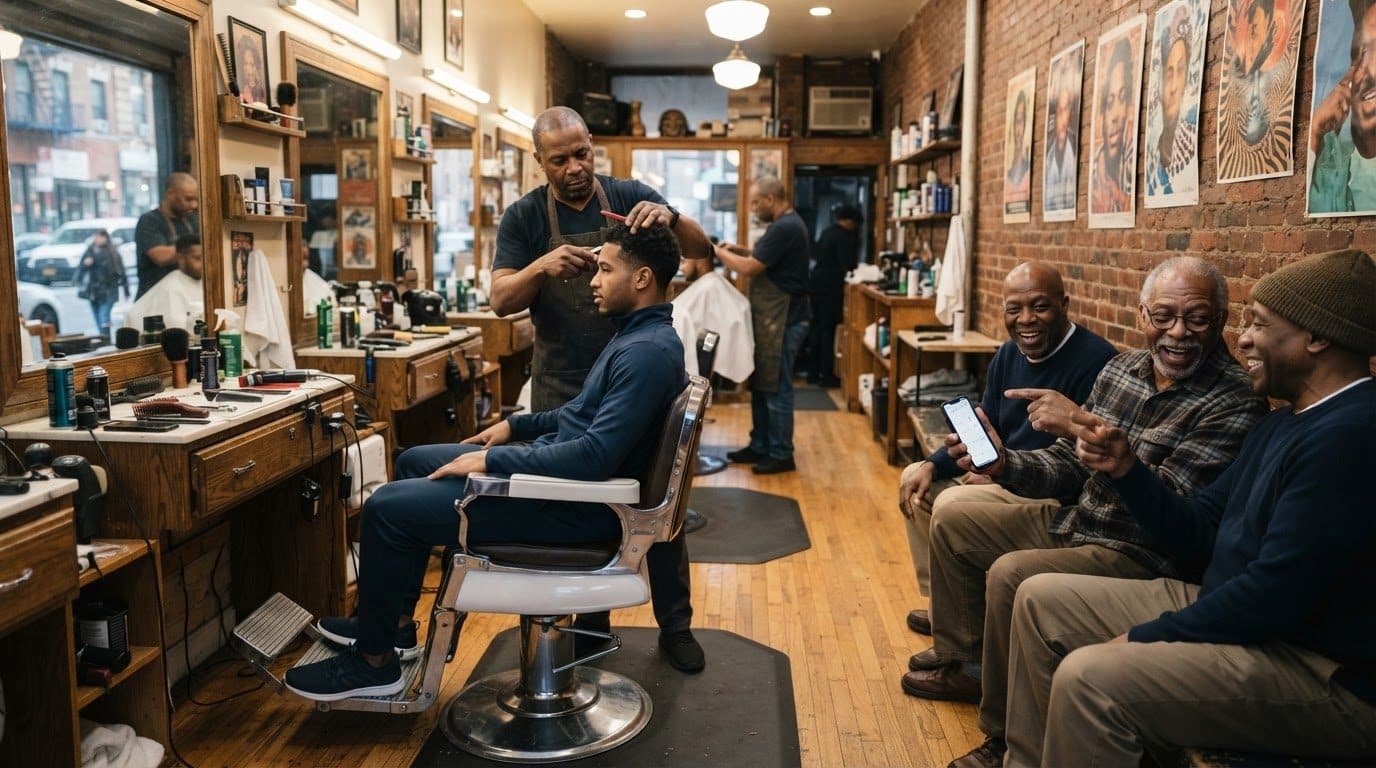
The barbershop conversation
Some of the most honest money talk happens in the barbershop, on the porch, or at a cookout. Former players are often the best people to hear from, because they know what the pressure felt like. The conversations worth having are not about who drives what. They are questions like these:
- What do you wish you had done in your first year in the league?
- Who in your circle helped you, and who cost you?
- What did your health insurance look like the year you retired?
- What did you do with your days in the first year after?
- If you started a business, what did you learn before you put money in?
Younger players: ask these questions early. Older players: be the one who answers them honestly. The culture changes when the guys who went through it tell the truth about it.
Quick answers
Do retired NFL players get health insurance?+
Vested players, generally those with three or more credited seasons, are eligible for five years of post-career medical coverage including dependents, and some can continue in the league's group plan after that. Check with the NFLPA for your eligibility.
Do retired NBA players get health insurance?+
Yes, for players with at least three years of service. The NBPA began funding coverage for retired players in 2017, with more generous coverage at seven and ten years of service.
What do athletes do after retiring?+
Common paths include coaching, broadcasting, business ownership, real estate, and careers unrelated to sports. The players who transition best usually start preparing during offseasons and use their union's career programs.
What health insurance options exist after the league ends?+
League or union retiree coverage if you qualify, COBRA continuation for up to 18 months in most cases, and ACA marketplace plans, which you can join during a special enrollment period after losing coverage.
Sources
- NFLPA: Benefits for former players
- NFLPA: What is a credited season and what does it mean to be vested?
- Constangy: NFL player benefits, a deep dive
- Sports Illustrated: NBPA to fund health care for retired players (2016)
- U.S. Department of Labor: COBRA continuation coverage
- HealthCare.gov: Special enrollment period
- NFLPA: Career Hub
- Arkansas Business: Junior Bridgeman on success
- The Atlanta Voice: Junior Bridgeman purchases Ebony magazine for $14M
- Forbes: Magic Johnson is now a billionaire (2023)
- Magic Johnson Enterprises (overview)
General education only, not tax, legal, or investment advice. Rules change and every situation is different. Confirm with a licensed CPA, attorney, and fee-only fiduciary.